
What is the difference between custom software and off-the-shelf software?
Custom software is specifically developed to meet the unique needs of a business or organization. It is tailored and built from scratch. Off-the-shelf software, on the other hand, is pre-packaged software that is ready to use and can be purchased off the shelf without any customizations.
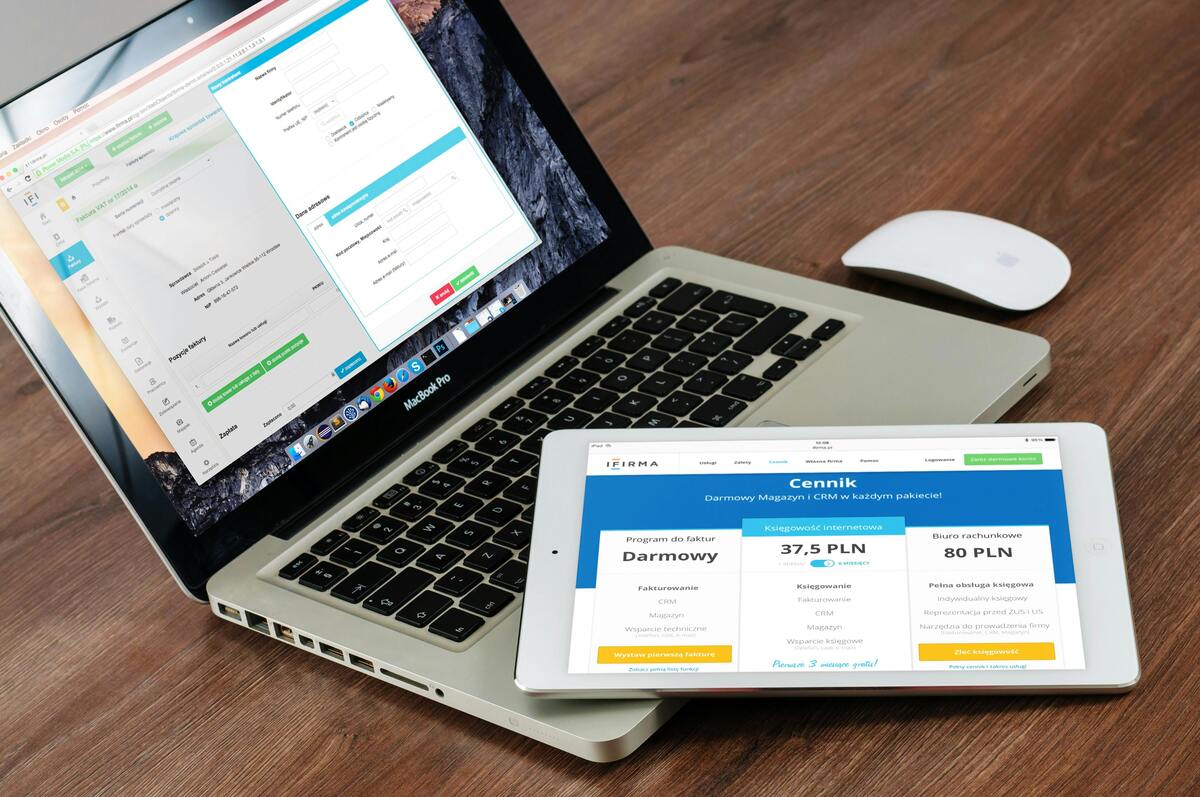
For business owners, making the decision to digitize their business processes is a critical milestone. There are a variety of business software solutions available on the market today, each with its own set of advantages and disadvantages. In this blog, we aim to provide you with the essential info you need to make an informed decision. We'll compare off the shelf software solutions with custom software solutions, and outline the pros and cons of each option. By the end, you will have a better understanding of which solution is best for your business needs. So keep reading!

Comparison of Off the Shelf vs Custom Software Solutions
There's a lot to consider when choosing new software. Whether you're looking for an off the shelf solution or a custom solution, it's important to know what you need and don't need. For off the shelf solutions, be aware that they may not offer all the features and customization that you're looking for, but might be easier to maintain as the software usually comes with a support package from the software provider. Customized software will allow you to design a solution specifically tailored to your needs, which can be more cost-effective in the long run, but might be harder and costly to maintain as you would need a dedicated team to maintain and enhance the software. Think about your budget and what features are necessary for your business before making a decision. Happy software hunting! Keep in mind that custom software solutions may offer a speed benefit, but this may be canceled out if the solution needs to be customized or is not compatible with your current systems.
Pros and Cons of Custom Software Solutions
When it comes to software solutions, it's important to consider the pros and cons of custom software vs off the shelf software. Custom software can provide more customization than off-the-shelf software. Additionally, custom software solutions can be more expensive than standard software products, making them less attractive for most startups. However, be sure to compare features and prices before making a purchase decision.
Below are some advantages we see of custom-built software solutions over off-the-shelf software:
The Need for Deep Customization
While off the shelf software can be a convenient option, it may not always meet the specific needs of your business. Deep customization is often required for businesses to achieve maximum efficiency and productivity. Customizing the software to fit your unique business processes can streamline operations, reduce errors and increase employee satisfaction. The customization process may require an initial investment in time and resources, but the long-term benefits of having software that works perfectly for your business will far outweigh the initial costs. With customization, you have complete control over the features and functionality of your software, making it a valuable asset to your business.
- A custom solution is tailored specifically to the needs of your business, and can be designed in a way that best suits your company’s culture and overall operations. This means there are no limits on what you can do with a custom solution – you can design it to be as innovative and efficient as possible, without worrying about compatibility or functional limitations imposed by off-the-shelf software options. Some would even consider custom software to be their only option to have a competitive advantage.
- Custom Development provides you with more control over the scalability of the solution. If you design your custom-built solution to be scalable at the very start, this means you can easily scale the software solution to accommodate more users, add more functionalities, build high availability server setup, and expand the infrastructure from one platform to another (i.e. desktop, mobile, cloud, and service based architecture). Whether you are building your custom software onsite, on Google, Amazon, Microsoft Azure, or any cloud based hosting services, having a scalable infrastructure works best for custom developed solutions.
off the shelf criteria
Below are some disadvantages we see of custom-built software solutions over off-the-shelf software:
- Custom software development can be more time-consuming and expensive than commercial off-the-shelf software development. This usually requires a dedicated team to support and maintain the software and its related components (hardware, software, security, software developer, technical and functional staff).
- The customization or development process for custom software development can be complex and challenging. This could lead to errors in the end product or increased difficulty in future updates or revisions of the custom software solution.
Pros and Cons of Off the Shelf Software Solutions
Choosing off the shelf software is a popular choice for business owners. It's easy to find software that meets their business requirements, and it's usually cheaper than custom software development. However, there are a few things to consider before making a purchase. First, make sure to check the licensing agreement and end of support date. Additionally, be sure to consider what type of software you're looking for and which features are important to you. Once you've narrowed it down, read the reviews to get a better idea of what people think of the solution. As always, do your research before making a purchase to make sure you're getting the best solution for your business, including a one-time fee for the software.
Below are some advantages we see of off-the-shelf software over custom-built software solutions:
- Off-the-shelf software usually costs less than custom-developed software. This is the reason why many businesses opt to subscribe to Software as a Service (SaaS) platforms, while many of them have offered a Lifetime Deal at one point in their Sales cycle. Building a mobile app MVP (minimum viable product) using a no-code app builder platform might be your fastest way to launch your app on the Play Store or App Store!
- Buying a Perpetual or Lifetime License or Subscribing to a SaaS platform requires less resources (time) to onboard users as they usually come with a training or support package which the software provider bundles with the product. Some software products have a high usability or user adoption rate.
Off-the-shelf software disadvantages
Below are some disadvantages we see of off-the-shelf software over custom-built software solutions
- Unlike custom-built software solutions, off-the-shelf software can be difficult to customize accordingly to your business operations. Some might have a limitation on the overall customizability and your team might end up adjusting your workflow to the software than the other way around.
- Off-the-shelf software solutions are typically tied up to the software provider's resources, so scaling up would highly depend on the design of the software and its underlying infrastructure. Software Upgrade releases will highly depend on how capable the development team is.
In Summary below are some of the points to consider when choosing
1. Scalability
One of the main factors to consider when deciding between custom vs off-the-shelf software is scalability. Custom software can be developed specifically to meet the scalability needs of your business, whereas off-the-shelf software may not be able to accommodate sudden growth or changes in your business. With custom software, you have the flexibility to add new features and functionalities as your business expands, and you can ensure that the software will continue to meet your evolving needs. On the other hand, off-the-shelf software may have limited scalability options and may require additional investments in order to upgrade or expand its capabilities.
2. Compatibility issues
Compatibility issues are a major concern when deciding between custom software or off-the-shelf solutions. Custom software is designed specifically for your business needs and can integrate seamlessly with your existing systems. On the other hand, off-the-shelf software may not be compatible with your current infrastructure and may require additional resources to implement. This compatibility issue can lead to delays in project completion, additional costs, and even loss of data if not handled properly. It's important to consider this factor when making a decision on which solution will work best for your business.
Easy to scale and upgrade
One of the biggest advantages of custom software over off-the-shelf software is the ease with which it can be scaled and upgraded. Custom software is designed to fit the specific needs of your business, so it can be easily modified as those needs change. This makes it much easier to upgrade and scale your software as your business grows, without having to worry about compatibility issues or other technical challenges that can arise with off-the-shelf solutions. Plus, with custom software, you have greater control over the upgrade process, ensuring that your system remains up-to-date and fully functional at all times.
App support (Cots)
When deciding between custom vs off-the-shelf software, app support is an important factor to consider. With off-the-shelf software, app support is typically limited to general product inquiries and bug fixes. However, with custom software, app support is tailored to the specific needs of your business and can include ongoing maintenance and updates, as well as personalized technical support. This level of app support ensures that your app remains functional and efficient, allowing you to focus on running your business without worrying about technology issues.
Business Efficiency: Turning Manual Processes into Automated Workflows for Startup
Automating workflow is a key consideration when choosing between custom and off-the-shelf software. Custom software can be tailored to fit your unique workflow requirements, allowing you to automate processes that are specific to your business. Off-the-shelf software may not offer the same level of customization, but it can still automate some common business processes. Automating workflow improves business efficiency by reducing manual labor and ensuring consistency in processes. This leads to faster turnaround times, increased productivity, and better use of resources. It's important to evaluate your workflow needs before deciding on the type of software that will best suit your business.
Customization and modification
One of the biggest advantages of custom software is the ability to customize and modify it according to your business needs. Off-the-shelf software may not be able to meet all your specific business requirements, whereas custom software can be tailored to meet those unique needs. Customization can range from simple changes in the user interface to complex modifications in the functionality of the software. With off-the-shelf software, you might have to compromise on some features that are not relevant to your business or pay extra for features that you don't need. Custom software development allows you to have complete control over what features and functionalities are included, making it a better fit for your business.
Custom Development or Off the Shelf Software?
If you’re still not sure whether to choose an off the shelf or custom software solution, consider these factors: your business goals, the timeline, the budget, your team’s skillset, and the amount of customization required. By taking the time to weigh these factors, you’ll be able to make the best decision for your business.
When it comes to choosing software solutions for businesses, there is no one-size-fits-all answer. The best option depends on the specific needs of the business in question. However, in general, off-the-shelf software solutions are usually a better option for small businesses, while custom software solutions are usually a better option for larger businesses.
custom vs off the shelf software
When it comes to software, choosing the best solution for your business can be a daunting task. That's why we've put together this guide on 5 best practices for choosing off the shelf software solutions vs custom software solutions. If you're still not sure which route to take, speak with an expert or use a comparison tool. Make sure you understand all the terms and conditions before signing any contracts - mistakes can be costly! In the end, make sure you choose the solution that best suits your business needs and fits your budget. Thanks for reading!
Frequently Asked Questions
What are some benefits of using custom software solutions for businesses?
There are many benefits to using custom software solutions for businesses. Some of these include:
- Costs savings in the short and long term.
- Quicker turnarounds times than off the shelf options.
- Having complete control over all aspects of the project from design to implementation to support.
- Being able to know that your requirements will be met and the end product will be accurate to your needs.
When should I choose off the shelf software solutions vs custom software solutions?
There is no definitive answer as to when you should choose off the shelf software solutions vs custom software solutions. It really depends on the specific needs of your business and the budget that you have available. If you are comfortable using off the shelf software solutions, then this may be a good option for you as they come with a lower cost estimate.
How can I tell if a custom solution is the right choice for my business?
Here are four tips that will help you make the best decision when it comes to choosing custom software solutions for your business. 1) Consider your business type and size: Off the shelf software solutions may be more cost-effective for small businesses, while custom software solutions may be more suitable for larger businesses with complex needs. 2) Research the software solution you're interested in: Do your research and compare different software solutions side by side to find the one that is best suited for your needs. 3) Be sure to factor in customization: Some off the shelf software solutions come pre-configured, but many businesses require specific customization or extra features that may not be included in the package. 4) Remember the cost factor: Always consider the cost of custom software before making a decision. It's important to understand what the total price will include (including development time, updates, and support).
What are some common problems that people encounter when choosing off the shelf or custom software solutions?
There are a few common problems that people encounter when choosing off the shelf software or custom software solutions. They include compatibility issues, security risks, and functional problems. When it comes to off the shelf software, users may experience problems with compatibility. In fact, many times off the shelf software solutions are not compatible with one another, making it difficult to manage everything in one place. This can also lead to security breaches as different software modules fail to work together as they should. For custom software, users may end up spending more money than they need to. It can be difficult to find a custom software solution that meets the specific needs of a business, and often times such software is more expensive than off the shelf software solutions. Furthermore, custom software solutions may not be supported by the developer in the long run if things go wrong. So, make sure to do your research before making any decisions about software!